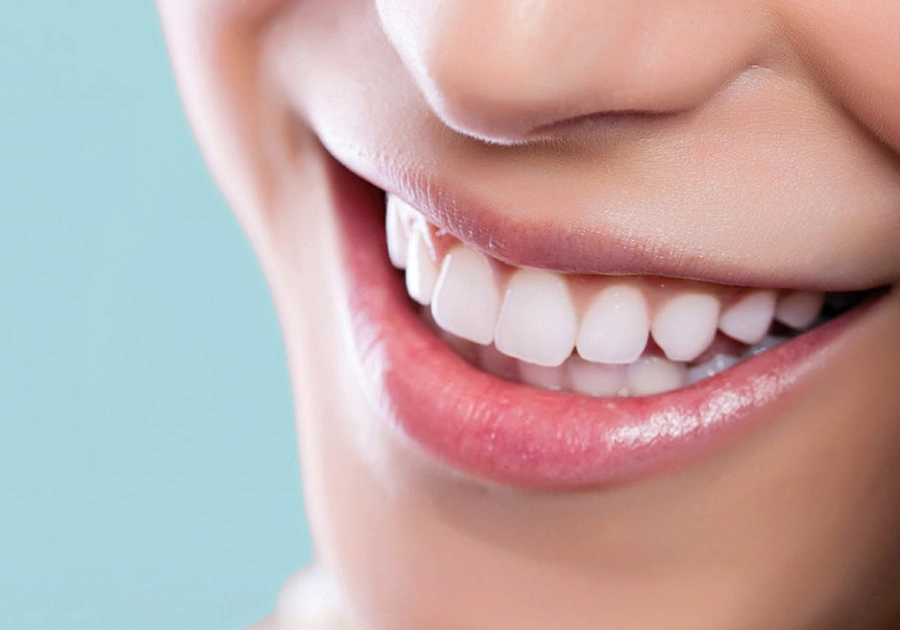
Why do teeth become discoloured?
Tooth colour is largely determined by genetics — everyone has their own natural base colour, which changes with age. Over time, the enamel becomes thinner and the yellowish dentine underneath shines through more clearly. Added to this are external factors: coffee, black tea, red wine and nicotine leave visible marks on the tooth surface over the years.
Medicines such as tetracyclines or a previous root canal treatment can also cause a single tooth to become discoloured — from the inside out. In all these cases, professional teeth whitening at our practice can help, making your teeth appear brighter and more even in colour again.
Three tried-and-tested methods for teeth whitening
At Neustadt Passage Dentists, we offer personalised advice on which procedure is best suited to your individual situation. Depending on your preferences and the findings of your assessment, we offer three established methods:
Home whitening — gentle and flexible
For at-home whitening, we create a bespoke plastic tray that is precisely tailored to your teeth. A special whitening gel is applied to the tray and left to work for a specified period. The whitening process takes place in stages — in the comfort of your own home and at your own pace. This method is particularly gentle and very well tolerated by most patients.
Power whitening (in-office) — immediately visible results
With the in-office procedure, we carry out the treatment directly at our dental practice in Zug. A highly concentrated whitening agent is applied to the teeth and activated by a special LED lamp. The result is immediately visible — and often continues to improve slightly over the following days. Ideal if you want a dazzling smile in a short space of time.
Internal whitening (walking bleach) — for individual teeth
If a single tooth has become discoloured following root canal treatment, the internal procedure is used. The whitening agent is placed directly into the tooth cavity, where it takes effect over several days — hence the name ‘Walking-Bleach’. This method is particularly effective when the discolouration originates from inside the tooth.
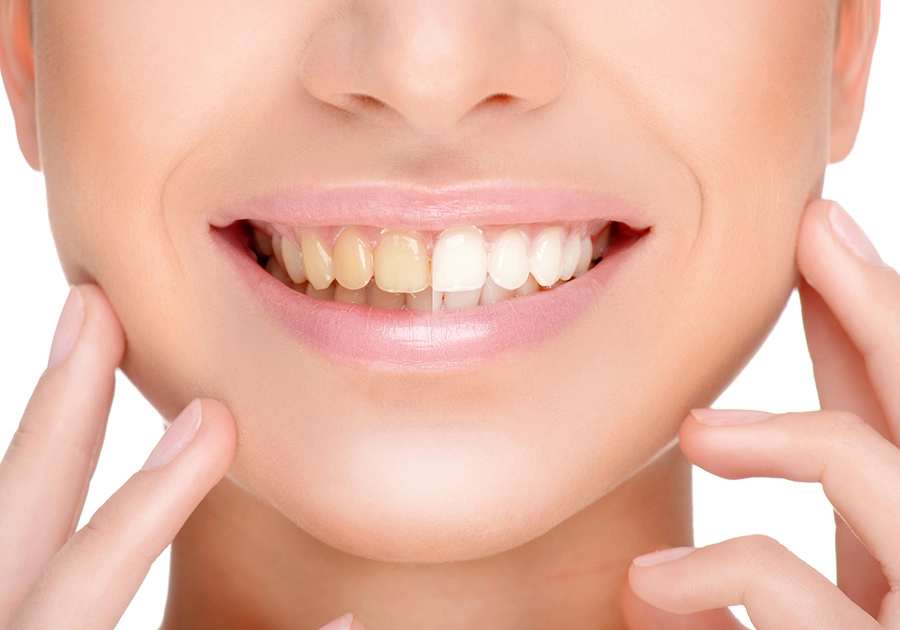
Before and after — professional teeth whitening at the Neustadt Passage Zug dental practice
Preparation: What’s important before treatment
To ensure that the teeth whitening is safe and effective, we carefully check the condition of your teeth and gums beforehand. If there are any untreated areas of decay, inflammation or gum problems, these are treated first — as the procedure only achieves an even result on healthy teeth.
We often recommend a professional dental hygiene appointment beforehand to remove any troublesome plaque and tartar. Important to note: Existing fillings, crowns or veneers will not become any lighter as a result of the whitening agent — we will discuss this openly with you during your consultation.
How long do the results last?
How long your whitened teeth stay bright depends largely on your habits. With good oral hygiene, regular check-ups and mindful consumption of coffee, tea and nicotine, the results can be significantly prolonged. As a rule, brilliantly white teeth last for one to two years — and often considerably longer with appropriate care and occasional touch-ups.
Is the treatment safe?
Professional teeth whitening carried out by a dentist in Zug is considered safe and well-established. In the short term, you may experience increased tooth sensitivity or slight gum irritation — both of which usually subside on their own within a few days. We carefully control the dosage of the whitening agent and reliably protect the gums during treatment. This procedure is not suitable for children.
Be wary of home remedies:
products from the supermarket or tips found online — such as chewing bicarbonate of soda or activated charcoal — are either ineffective or, in the long term, damage the tooth enamel. For an effective and safe result when whitening your teeth, there’s no alternative to visiting the dentist.
Teeth whitening in Zug — Your dentists at Neustadt Passage
At our modern practice at Baarerstrasse 12 in Zug, we offer personalised and honest advice: we’ll explain which method is best suited to your teeth, what is realistically achievable — and what isn’t. Book your no-obligation consultation now and take the first step towards a radiant smile.
Interested in teeth whitening?
Book a consultation now at our practice in Zug. We’ll explain which method is best suited to your situation.