Sedation at the dentist in Zug —
a relaxed experience throughout your treatment.

Sedation puts you into a pleasant state of twilight sleep — you remain conscious but are barely aware of the treatment. Ideal for anxious patients and medium-sized procedures at our practice in Zug.

Sedierung beim Zahnarzt in Zug — Angstpatienten

What is sedation?

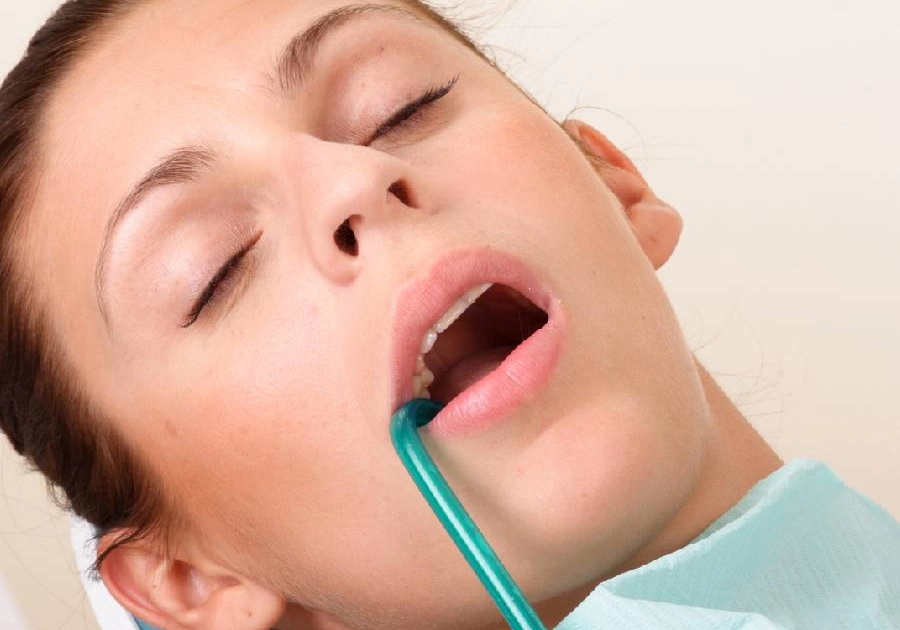
During sedation, the patient is given a tranquilliser and pain-reliever before dental treatment — usually intravenously or as a tablet. This puts them into a relaxed twilight sleep: although the patient remains conscious and can follow basic instructions, they are barely aware of the treatment. Unlike with general anaesthesia, no breathing tube is required.

After waking up, most patients have no memory of the procedure, or only very fragmentary recollections — which makes sedation the preferred method for many patients with dental anxiety.

Who is sedation suitable for?

Important: After sedation, you will need someone to accompany you and take you home. You are not permitted to drive on the day of your treatment.

Sedation in Zug — Neustadt Passage Dentists

During an initial consultation, we will discuss whether sedation is the right choice for you. Alternatively, nitrous oxide and general anaesthesia are available.

Questions about sedation?

We’d be happy to advise you — calmly, openly and without any pressure.
Frequently asked questions about sedation

Not completely — you’ll be in a state of twilight sleep and will still be responsive. Unlike with general anaesthesia, you’ll remain conscious, but you’ll barely be aware of the treatment and usually won’t remember it afterwards.
Usually intravenously (via a vein) or as a tablet, depending on the medication and the situation. The effects set in relatively quickly and can be easily controlled.
Usually for the whole day of treatment. You will need someone to accompany you and collect you. Please also make sure to take it easy for the rest of the day — no alcohol, no important decisions.
Yes — sedation is a well-established and safe procedure. We monitor your vital signs throughout the treatment and adjust the dosage to suit your individual needs.
Nitrous oxide takes effect more quickly and wears off more quickly too — after the treatment, you can leave the surgery unaided. Sedation is deeper and results in more pronounced amnesia (hardly any memories), but it requires someone to accompany you and a longer recovery time.
That depends on the type of sedative. For intravenous administration, you’ll usually need to fast (do not eat anything for at least 4–6 hours beforehand). We’ll provide you with detailed information in advance about all the necessary preparations.