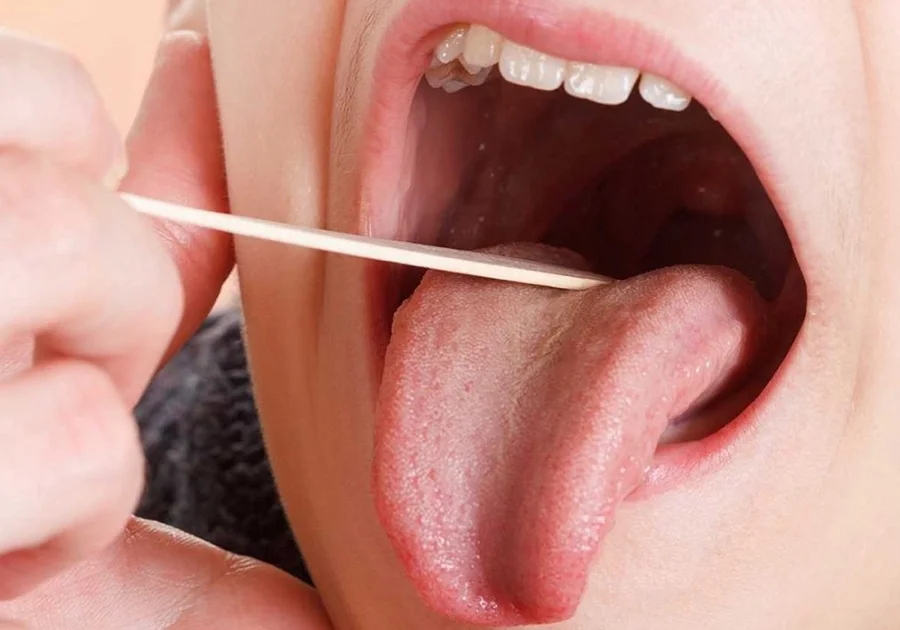
What are oral mucosal disorders?
Oral mucosal disorders encompass all inflammations and changes to the mucous membrane inside the mouth — on the cheeks, palate, tongue, gums or lips. They are caused by bacteria, viruses, fungi, mechanical irritation, allergic reactions or underlying systemic conditions. Most oral mucosal disorders are harmless and resolve on their own — however, some require specific treatment or careful investigation.
At our practice in Zug, we identify oral mucosal disorders at an early stage, distinguish between harmless and serious conditions, and, where necessary, initiate the appropriate treatment — with sensitivity and expertise.
Common oral mucosal disorders
Among the most common oral mucosal disorders are aphthous ulcers: small, round sores on the mucous membrane that cause a painful burning sensation and typically heal on their own after one to two weeks. Fungal infections — such as oral thrush caused by Candida fungi — present as a whitish coating on the mucous membrane, often accompanied by a burning sensation. Herpes simplex causes painful blisters, usually on the lips or the oral mucosa. Pressure sores caused by poorly fitting dentures can also lead to inflammation and thickening.
Leukoplakia warrants particular attention — white patches on the mucous membrane that cannot be wiped away. In rare cases, they may be a precursor to malignant changes and must be investigated histologically.
An overview of causes
The causes of oral mucosal diseases are varied. Infections caused by viruses, bacteria or fungi are the primary cause. Mechanical irritants — sharp tooth edges, bite injuries, pressure sores from dentures — are common triggers. Allergies to ingredients in toothpaste, filling materials or food can also trigger reactions in the oral mucosa. Systemic conditions such as diabetes, iron deficiency or immunodeficiency also increase the risk of developing oral mucosal diseases. Smoking and excessive alcohol consumption further increase the risk — particularly of serious changes.
When should you see a dentist?
Changes to the oral mucosa that persist for longer than two weeks should always be investigated by a dentist — even if they are not painful. This applies in particular to white or red patches, non-healing ulcers and hardened areas in the mouth. Early detection is crucial: changes detected at an early stage are usually easily treatable.
The two-week rule: Any change in the oral mucosa that does not heal within two weeks should be investigated by a dentist — regardless of whether it is painful or not.
Treatment of oral mucosal disorders
Treatment depends on the cause. Fungal infections are treated with antifungal medication, whilst herpes infections are treated with antiviral medication. Canker sores usually heal on their own; pain-relieving gels or special mouthwashes can help alleviate symptoms in the meantime. In the case of pressure sores caused by dentures, we adjust the dentures. Leukoplakia and other unexplained changes are biopsied and examined histologically.
Oral mucosal disorders in Zug — Neustadt Passage Dentists
Have you noticed a change in your mouth that isn’t going away on its own? Have it checked out. We’ll examine it carefully, explain the findings in plain language and recommend the appropriate course of action. Book an appointment at Baarerstrasse 12 in Zug.
Our approach to abnormal findings
If, during a routine examination or at your request, we detect a change in the oral mucosa, we document the findings carefully. We immediately assess and treat harmless, recognised conditions such as mouth ulcers or minor pressure sores symptomatically. In the case of unclear findings, suspicious discolouration or lesions that are not healing, we take a small tissue sample for histological examination. This may sound like a lot of work — but it’s done quickly and gives both you and us peace of mind.
Interested? We’d be happy to advise you.
Book an appointment at our practice at Baarerstrasse 12 in Zug.